

The allure of the casino floor—whether physical or digital—is undeniable. The flashing lights, the spin of the wheel, and the tension of the deal create an environment charged with possibility. However, for many players, this excitement is often paired with confusion or reliance on pure luck. While chance plays a significant role in gambling, approaching your gameplay with a plan can significantly alter your experience. Learning how to play casino games strategically is not just about trying to win; it’s about maximizing your entertainment, managing your funds, and making informed decisions that tip the odds in your favor wherever possible.
This comprehensive guide will walk you through the essential strategies for the most popular casino games, from the skill-based tables of Blackjack and Poker to the chance-driven worlds of Roulette and Slots. By the end, you will have a toolkit of tactics to elevate your game.
The Foundation of Strategic Play
Before diving into specific game mechanics, we must establish the ground rules that apply to every gambler. Strategy starts before you place your first bet.
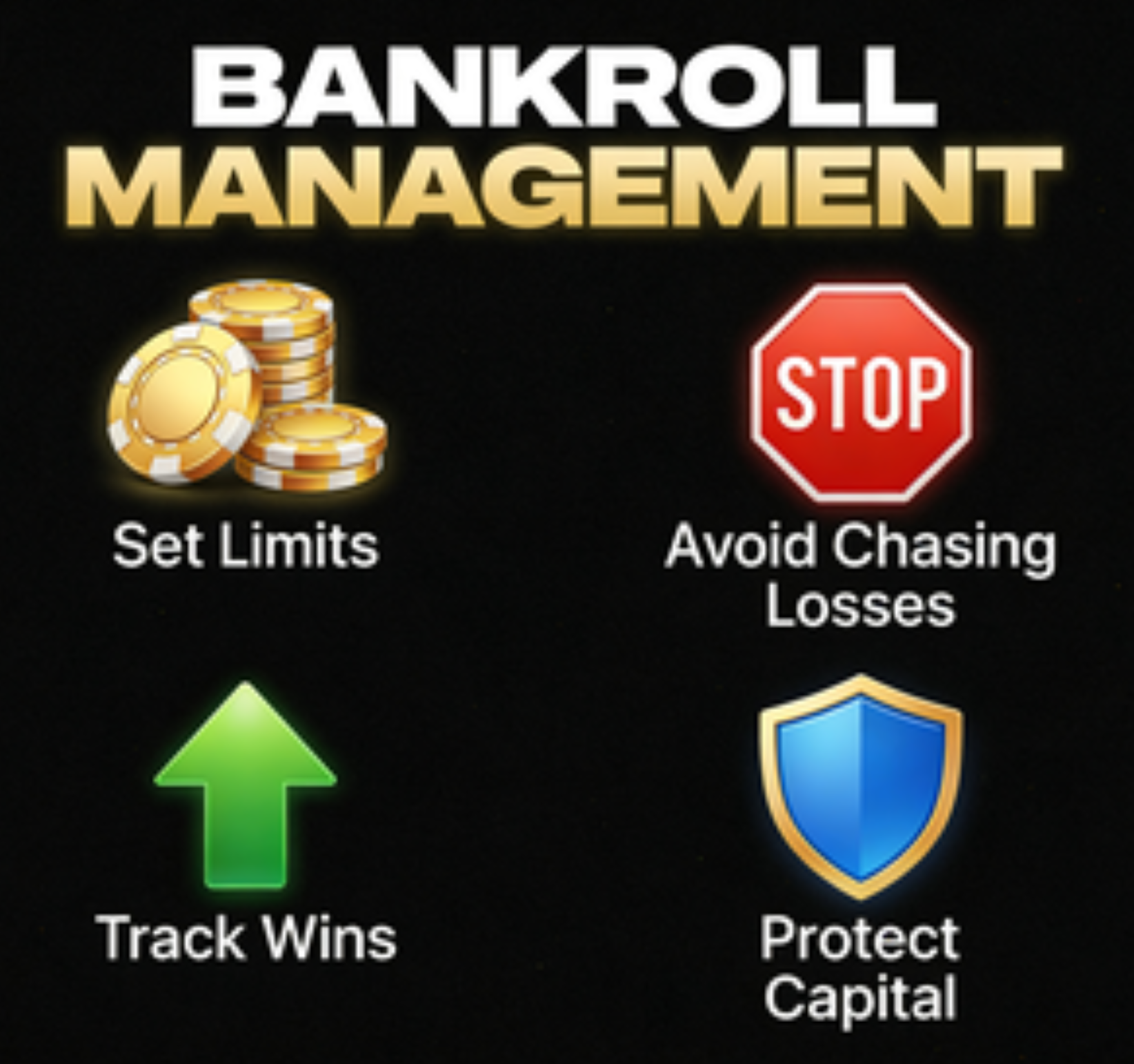
1. Bankroll Management: The Golden Rule
We cannot stress this enough: protect your money. Your bankroll is your ammunition. Without it, you cannot play.
- Set a strict budget: Determine an amount you are comfortable losing. This is your entertainment cost.
- Divide and conquer: Split your total budget into smaller session bankrolls. If you have $500 for the month, playing $50 per session gives you 10 chances to win.
- Stop-loss limits: Decide beforehand that if you lose a certain amount, you walk away.
- Win goals: Equally important is knowing when to quit while you’re ahead. If you double your buy-in, consider cashing out or locking away your initial stake.
2. Understanding House Edge and RTP
Every game is mathematically designed to favor the casino. This is the “House Edge.”
- House Edge: The percentage of each bet the casino expects to keep over the long run.
- RTP (Return to Player): The percentage of money wagered that a game pays back to players over time.
- The Strategy: Always seek games with the lowest House Edge (like Blackjack) or highest RTP (like certain slots).
3. Emotional Discipline
Tilt—emotional frustration leading to bad decisions—is your enemy.
- Don’t chase losses: Betting bigger to recover lost money is the fastest way to zero.
- Stay sober: Alcohol impairs judgment. Keep a clear head when money is on the line.
Mastering Blackjack: The Game of Math
Blackjack offers some of the best odds in the casino, with a house edge that can drop below 0.5% if you play perfectly. Unlike other games, your decisions here directly impact the outcome.
Basic Strategy: Your Roadmap
Basic Strategy is a mathematically calculated set of rules that tells you the optimal move for every possible hand combination against the dealer’s up-card. It removes the guesswork.
Key Basic Strategy Rules:
- Hard Totals (No Ace):
- 8 or less: Always Hit.
- 9: Double Down if dealer has 3-6; otherwise Hit.
- 10 or 11: Double Down if your total is higher than the dealer’s up-card.
- 12-16: Stand if dealer has 2-6 (the “bust cards”); Hit if dealer has 7 or higher.
- 17 or more: Always Stand.
- Soft Totals (With an Ace counted as 11):
- Soft 13-15: Hit.
- Soft 16-18: Double Down against dealer low cards; otherwise Hit.
- Soft 19+: Stand.
- Pairs:
- Aces and 8s: Always Split.
- 10s and 5s: Never Split. (Treat 5s as a total of 10 and Double Down).
Card Counting: The Myth vs. Reality
While Hollywood makes card counting look like magic, it’s simply tracking the ratio of high cards to low cards remaining in the deck.
- High cards (10, J, Q, K, A) favor the player because they increase the chance of Blackjacks.
- Low cards (2-6) favor the dealer.
- The Strategy: When the deck is “hot” (rich in high cards), increase your bets. When it’s “cold,” bet the minimum. Note that online casinos often shuffle the deck after every hand, neutralizing this strategy unless you are playing Live Dealer games.

Dominating Roulette: Managing Risk
Roulette is a game of pure chance, but how you bet determines your volatility and longevity. The wheel doesn’t remember previous spins, so looking for patterns is often a fallacy. Instead, focus on betting systems.
European vs. American Roulette
- American Roulette: Has a “0” and “00”. House edge: 5.26%.
- European Roulette: Has only a single “0”. House edge: 2.7%.
- The Strategy: Always play European Roulette if available. You instantly cut the house edge in half.
Betting Systems
While no system can overcome the house edge permanently, they can help structure your betting.
- The Martingale System:
- Concept: Double your bet after every loss on even-money bets (Red/Black, Odd/Even). When you eventually win, you recover all losses plus a small profit.
- Risk: Requires a large bankroll and is dangerous if you hit the table limit or a long losing streak.
- The D’Alembert System:
- Concept: Increase your bet by one unit after a loss, and decrease it by one unit after a win.
- Benefit: Safer than Martingale; avoids massive bet spikes.
- The James Bond Strategy:
- Concept: A flat betting system covering more than half the table.
- Example: Bet $140 on High (19-36), $50 on the Six Line (13-18), and $10 on Zero.
- Result: You cover 25 numbers and lose only if the ball lands on 1-12.
Poker Strategy: Playing the Player
Poker pits you against other players, not the house. This makes it the most skill-intensive game in the casino. Whether you are playing Texas Hold’em or Omaha, the core principles remain.
Position is Power
Where you sit relative to the dealer button is crucial.
- Late Position (Button/Cutoff): You act last. You have the most information about opponents’ actions. Play more hands here.
- Early Position: You act first. You must play very tight (only strong hands) because you don’t know how others will react.
Hand Selection
Patience is a virtue in poker. Novices play too many hands.
- Fold more: You should be folding 70-80% of your starting hands.
- Aggression: When you do play a hand, play it aggressively. Raise and re-raise rather than just calling. This puts pressure on opponents.
Reading Opponents
- Betting patterns: Does a player only bet big when they have the nuts? Do they check-raise when bluffing?
- Tells: Physical tells are real in live games, but online, timing tells (how long they take to act) are key.
Pot Odds
This is the math of poker.
- The concept: Is the size of the pot worth the cost of the call?
- Example: If the pot is $100 and you must call $10 to see the next card, you are getting 10-to-1 odds. If your chance of hitting your winning card is better than 10-to-1, you call. If not, you fold.
Cracking the Slots: Maximizing Value
Slots are the most popular casino game, but they are also the most volatile. There is no skill in spinning the reels, but there is skill in choosing which machine to play. This is a critical part of learning how to play casino games strategically.
RTP is King
Always check the Return to Player percentage.
- Standard: Online slots usually range from 94% to 98%.
- Land-based: Can be as low as 85%.
- Strategy: Only play slots with an RTP of 96% or higher.
Volatility (Variance)
- High Volatility: Rare wins, but they are huge. Good for jackpot hunters with large bankrolls.
- Low Volatility: Frequent small wins. Good for extending playtime and clearing bonuses.
- Strategy: Match volatility to your goal. Want entertainment? Go low. Want a life-changing win? Go high.
Progressive Jackpots
- The Rule: If you play a progressive slot, you usually must bet the maximum coins to qualify for the jackpot.
- Warning: If you can’t afford the max bet, do not play progressive machines. You are getting worse odds without the benefit of the potential jackpot.
Take Advantage of Bonuses
Online platforms are fierce competitors. Use this to your advantage.
- Welcome Bonuses: Look for deposit matches.
- Free Spins: Risk-free chances to win.
- Loyalty Programs: Earn points for every spin.
For a platform that offers a wide variety of high-RTP slots and excellent player bonuses, you might want to check out ah88a.com. They provide a secure environment where you can test these strategies across different game types.
Baccarat: The High Roller’s Favorite
Baccarat is simple, elegant, and has a very low house edge. It requires no complex decisions after the bet is placed.
The Three Bets
- Banker: House edge is roughly 1.06%. (Casino usually takes a 5% commission on wins).
- Player: House edge is roughly 1.24%.
- Tie: House edge is massive, often over 14%.
The Strategy
- Always bet Banker: Even with the commission, it is statistically the best bet in the casino.
- Never bet Tie: It is a “sucker bet.” The payout looks good (8:1), but the odds are terrible.
- Ride the streak: Many Baccarat players track “roads” (patterns). While mathematically the hands are independent, betting on the streak (Banker or Player) is a common and fun way to engage with the game flow.
Video Poker: The Thinking Player’s Slot
Video Poker looks like a slot machine but plays like 5-Card Draw poker. It is one of the few games where skilled play can result in over 99% RTP.
The Paytable
Always look at the paytable before playing.
- Jacks or Better: Look for “9/6” machines. This means they pay 9 coins for a Full House and 6 coins for a Flush.
- Avoid: Machines that pay 8/5 or 7/5. The drop in RTP is significant.
Max Coins
- The Royal Flush: The jackpot for a Royal Flush usually jumps significantly if you bet 5 coins instead of 1-4.
- Strategy: Always bet max coins. Drop down in denomination (e.g., play quarters instead of dollars) if you need to fit your budget, but keep the coin count at max.
Hold Strategy
- Keep Pairs: A low pair is often better than holding a single high card.
- Break the Flush/Straight: Unless you are one card away from a Royal Flush, never break a made paying hand to chase a bigger one.
- The Exception: If you have 4 cards to a Royal Flush, break a Flush or Straight to go for the big win. The payout justifies the risk.
Live Dealer Games: The Best of Both Worlds
Live Dealer games stream a real human dealer to your device. They combine the convenience of online play with the trust of physical cards.
Strategy Adjustments
- Game Pace: Live games are slower than RNG (software) games. This is good for your bankroll as you place fewer bets per hour.
- Card Counting: In Live Blackjack, card counting is theoretically possible, but penetration (how deep they deal into the shoe) is usually poor, making it ineffective. Stick to Basic Strategy.
- Interaction: Use the chat. Sometimes dealers or pit bosses give subtle hints or clarify rules that can save you money.
Managing Your Time
Casino environments are designed to make you lose track of time. No clocks, no windows, free drinks.
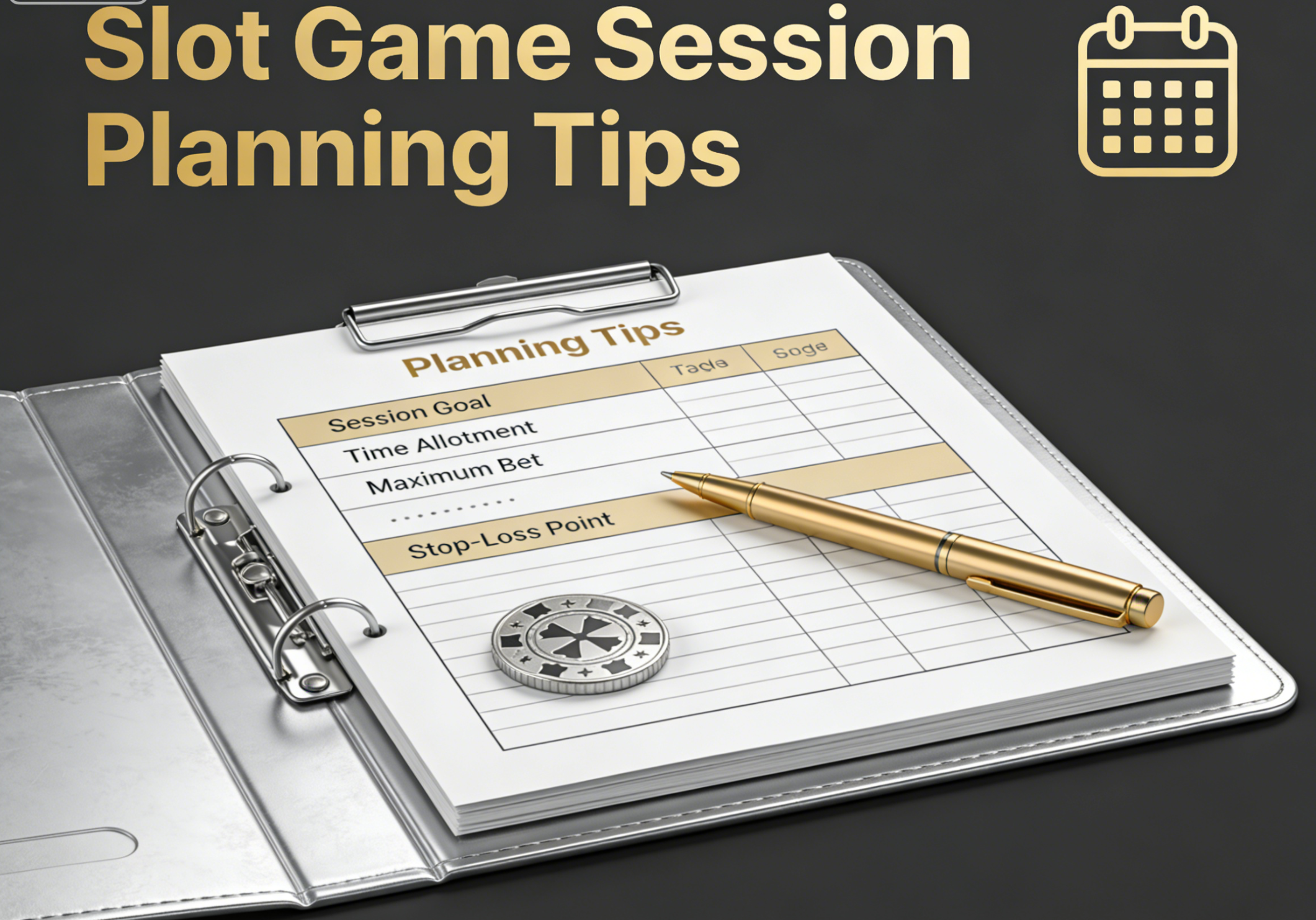
- Set an Alarm: Decide how long you will play. When the alarm rings, cash out.
- Take Breaks: Decision fatigue is real. After an hour of intense concentration on Blackjack, your brain gets tired, and you make mistakes. Step away for 10 minutes.
Conclusion: Playing Smart is Playing to Win
Gambling is a form of entertainment, but it becomes much more enjoyable when you treat it with respect and discipline. By understanding the math behind the games, managing your money effectively, and keeping your emotions in check, you elevate yourself from a gambler to a strategic player.
Remember the core pillars:
- Protect your bankroll.
- Know the rules and odds.
- Quit while you’re ahead.
Whether you are counting cards in Blackjack, calculating pot odds in Poker, or hunting for high-RTP Slots, the goal remains the same: make the best decision possible with the information you have.
Now that you understand how to play casino games strategically, you are ready to hit the tables with confidence. Good luck, play responsibly, and may the odds be ever in your favor!
Quick Recap Checklist
- Bankroll set? (Separated from living expenses)
- Game selected? (Low House Edge / High RTP)
- Rules understood? (Basic Strategy memorized?)
- Time limit set? (Alarm on phone)
- Win/Loss limits defined? (Written down)
Frequently Asked Questions
Q: Can I really win money consistently at casinos?
A: In games like Poker, skilled players can win consistently over the long term. In house-banked games like Slots or Roulette, the casino always has an edge, so “consistent” wins are statistically unlikely, though short-term profits are common.
Q: Is online gambling rigged?
A: Licensed and regulated online casinos use Random Number Generators (RNG) that are audited by third-party firms to ensure fairness. Stick to reputable sites.
Q: Which game is best for beginners?
A: Slots are easiest (no skill required). Roulette is great for simple fun (easy to understand bets). Blackjack is best if you want to learn a strategy to reduce the house edge.