
Let’s be honest: spinning the reels is exciting. The lights, the sounds, the anticipation of that big win—it’s a rush. But without a plan, that excitement can quickly turn into frustration. You might find your bankroll draining faster than expected, or you might play longer than you intended, leading to fatigue and poor decisions.
That’s where strategy comes in. Smart players don’t just rely on luck; they rely on preparation.
By mastering a few key strategies, you can transform your experience from a chaotic gamble into a structured, enjoyable hobby. In this guide, we will dive deep into actionable slot game session planning tips that will help you manage your money, time, and mindset like a pro.
Why Planning Your Session Matters
Many players jump into a game and just start clicking “spin.” While this is easy, it’s rarely effective for long-term enjoyment or success. Planning acts as a safety net. It ensures you are always in control, regardless of whether the reels are hot or cold.
The Benefits of Structure
- Bankroll Longevity: Your money lasts longer when you know exactly how much you’re spending per spin relative to your total budget.
- Emotional Control: Setting limits prevents “tilt”—that frustrated state where you chase losses.
- Better Focus: Knowing when to take breaks keeps your mind sharp.
- Enhanced Enjoyment: When you aren’t stressing about money, you can actually have fun.
Think of it like a road trip. You wouldn’t drive cross-country without a map and a full tank of gas. Why treat your gaming budget any differently?
Setting Your Bankroll: The Foundation of Success
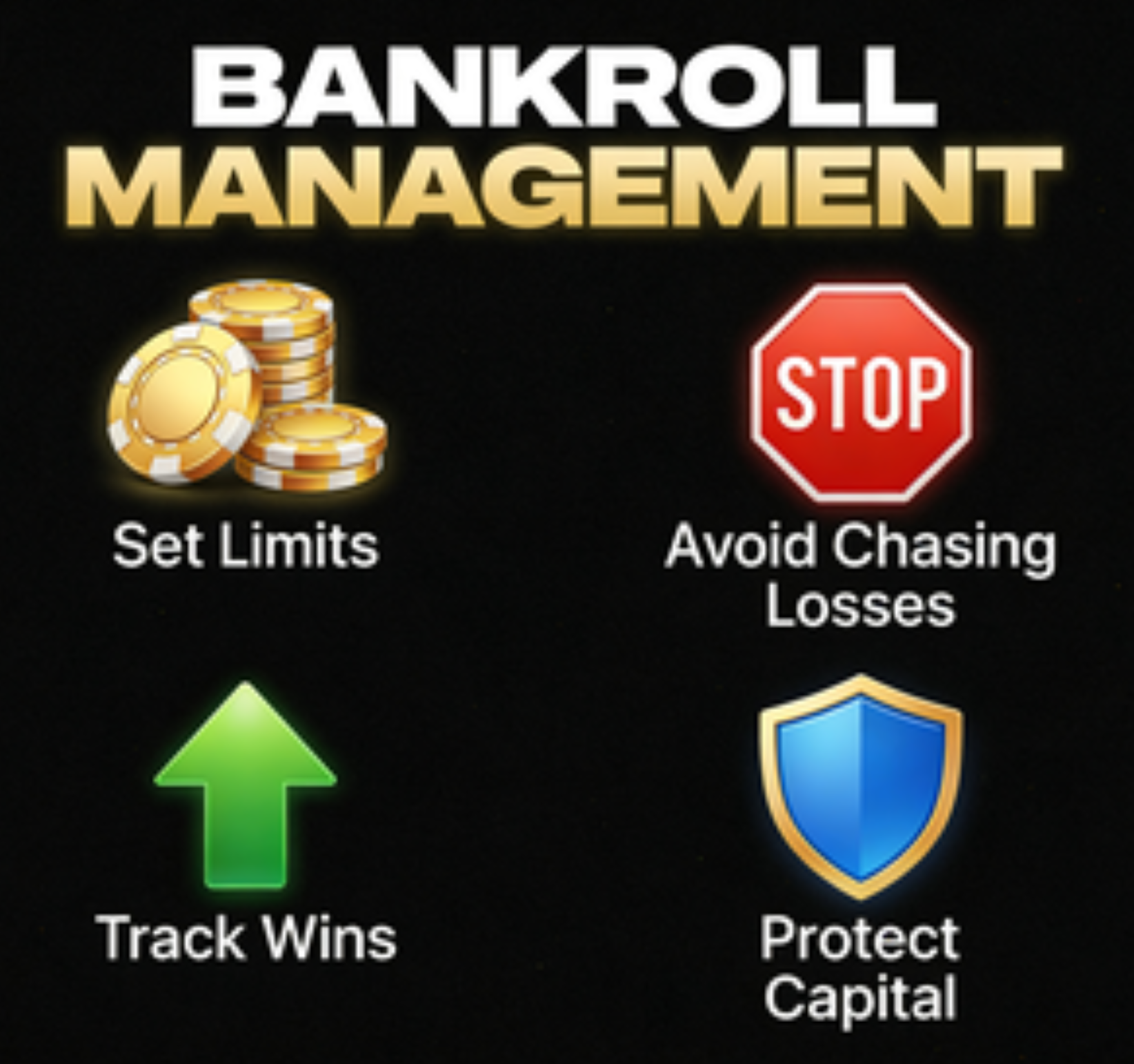
The most critical aspect of any gambling session is your bankroll management. Before you even log in, you need to know your numbers.
1. Determine Your “Disposable” Budget
Only play with money you can afford to lose. This sounds cliché, but it is the golden rule. This budget should not include rent, bills, or grocery money.
- Look at your monthly entertainment budget.
- Decide how much of that is allocated to gaming.
- Divide that amount by the number of sessions you plan to play this month.
If you have $500 for the month and plan to play 10 times, your session budget is $50. Stick to it.
2. Set Win and Loss Limits
Knowing when to stop is a superpower.
- Loss Limit: If your session budget is $50, stop when you hit $0. Never deposit more to “win it back.”
- Win Limit: Decide on a profit target. If you double your money (e.g., reach $100), cash out or set aside the original $50 and only play with the winnings.
3. Choose the Right Denomination
Your bet size must match your bankroll. If you have $50, playing $5 spins will last you mere minutes.
- Low Budget: Stick to penny slots or low-variance games where minimum bets are small.
- High Budget: You can afford higher denominations, but ensure you have enough for at least 100-200 spins to ride out variance.
Time Management: Playing Smarter, Not Longer
Time flies when you are having fun, but fatigue is the enemy of strategy.
1. Set a Timer
Use your phone to set a hard time limit for your session. 45 to 60 minutes is often the sweet spot.
- Alert 1: Set an alarm for halfway through your session to check your bankroll.
- Alert 2: Set a final alarm to end the session immediately.
2. The Power of Breaks
Staring at a screen for hours causes eye strain and mental fatigue.
- Take a 5-minute break every 30 minutes.
- Stand up, stretch, and grab a glass of water.
- Step away from the screen completely.
3. Avoid “Auto-Pilot”
Auto-spin features are convenient, but they detach you from the game. When the game plays itself, you lose track of how much you are spending.
- Manual Spins: Click the button yourself. It slows down the game, making your money last longer.
- Limit Auto-Spins: If you must use auto-play, set it to stop after a certain loss amount or a big win.
Selecting the Right Game for Your Goals
Not all slots are created equal. Choosing the right machine is one of the most underrated slot game session planning tips you can learn.
RTP (Return to Player)
RTP is a percentage that indicates how much a slot pays back over time.
- Look for slots with an RTP of 96% or higher.
- Avoid games with RTPs below 94% unless the jackpot is life-changing.
Volatility (Variance)
This determines the risk level.
- Low Volatility: Frequent but small wins. Good for extending playtime and meeting wagering requirements.
- High Volatility: Rare but massive wins. High risk, high reward. Requires a larger bankroll and patience.
Bonus Features
Do you like free spins, pick-em games, or cascading reels? Choose a game mechanics that you enjoy. If you get bored, you are more likely to make rash betting decisions just to “make something happen.”
For a wide variety of games that cater to different playstyles, check out Ah88. They offer a diverse library that lets you apply these selection strategies effectively.
Mental Preparation and Environment
Your mindset plays a huge role in your session outcome.
1. Play With a Clear Head
Never play when you are:
- Angry or stressed.
- Intoxicated.
- Tired or sleep-deprived.
- Desperate for money.
Emotional playing leads to aggressive betting and chasing losses.
2. Minimize Distractions
- Turn off TV or loud music if it distracts you.
- Put your phone on “Do Not Disturb” if playing on mobile.
- Create a comfortable environment where you can focus on the game mechanics.
3. Acceptance of Risk
Before you start, accept that losing is a possibility. If you view the money as the “cost of entertainment” (like buying a movie ticket), you won’t feel the sting of a loss as sharply.
Advanced Strategies: The Session Log
Serious players track their data. Keeping a simple log helps you identify patterns and refine your strategy.
What to Track
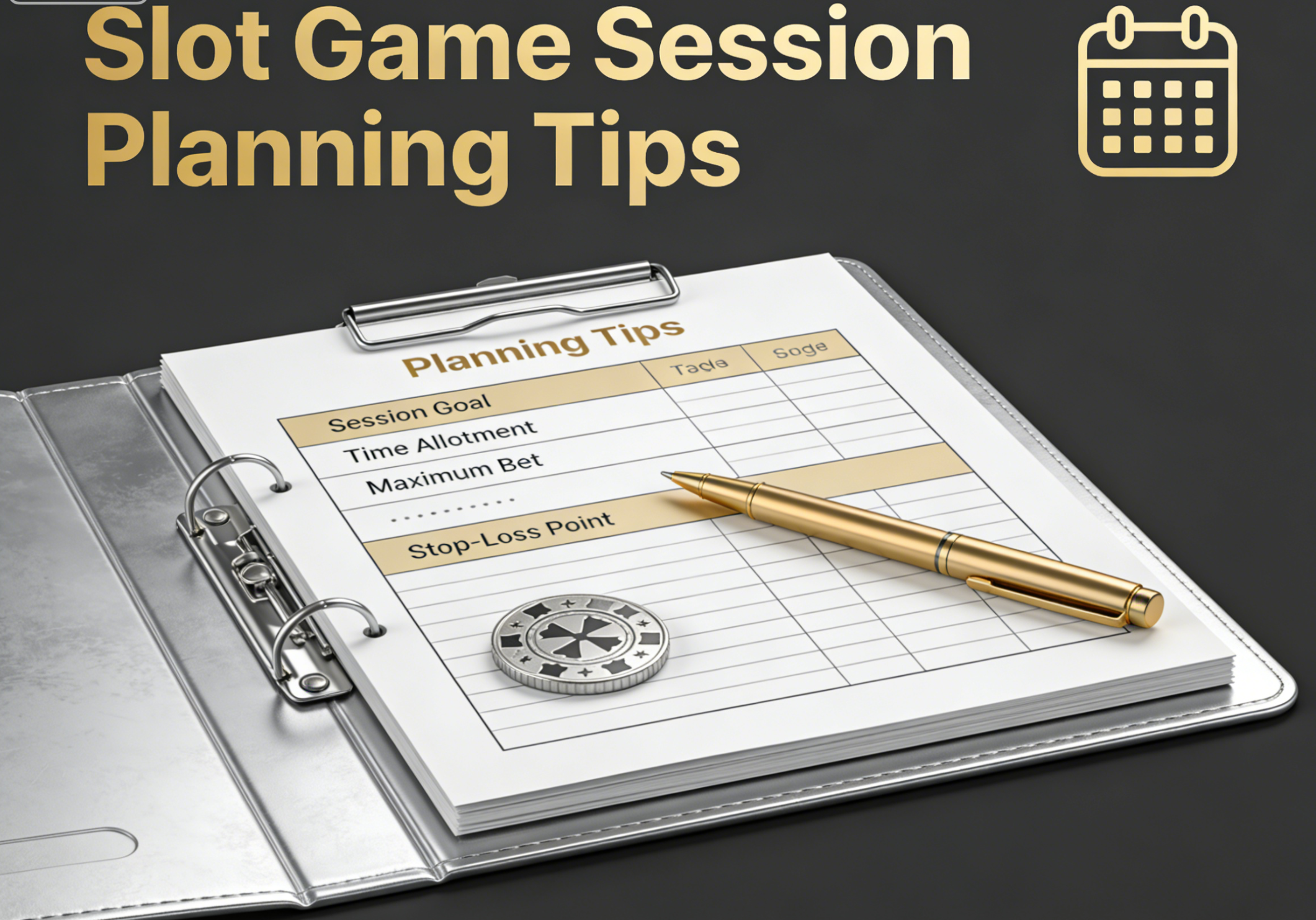
Create a simple spreadsheet or use a notebook:
- Date & Time: When did you play?
- Game Played: Which title?
- Volatility: High/Low?
- Starting Balance: Your session budget.
- Ending Balance: Did you win or lose?
- Duration: How long did you play?
- Notes: How did you feel? Did you stick to your limits?
Reviewing Your Data
After 10 or 20 sessions, look for trends:
- Do you lose more on weekends?
- Is there a specific game that always drains your bankroll?
- Do you play better in the mornings?
Use this data to tweak your future sessions. If “Game X” always results in a loss, stop playing it. If you find you play poorly late at night, switch your schedule.
The “Hit and Run” Tactic
One specific strategy favored by disciplined players is the “Hit and Run.”
How It Works
- Set a modest profit goal (e.g., 20-30% of your buy-in).
- Start playing.
- The moment you hit that goal, stop immediately.
- Cash out and end the session.
This prevents the common scenario where you win big early on, only to give it all back to the house because you got greedy. It requires immense discipline but is great for locking in small, consistent wins.
Recognizing and Avoiding Gambler’s Fallacy
A major pitfall in planning is falling for the Gambler’s Fallacy. This is the belief that past events influence future outcomes in a random game.
- Myth: “This machine hasn’t paid out in an hour; it’s due for a win.”
- Fact: Every spin is independent. The RNG (Random Number Generator) does not care about previous spins.
How to Counter It
- Never increase your bet just because a machine is “cold.”
- Stick to your pre-planned bet size.
- If a game isn’t fun or paying, simply switch games or take a break. Don’t “fight” the machine.
Maximizing Bonuses and Promotions
Casinos often give you free money or spins. Smart planning involves using these to your advantage without falling into traps.
Read the Terms
- Wagering Requirements: How many times must you bet the bonus money before withdrawing? Lower is better (e.g., 20x is better than 50x).
- Game Restrictions: Does the bonus apply to the high RTP slots you want to play?
- Expiration: How long do you have to use the bonus?
Strategic Use
Use bonus funds to test high-volatility games. Since it’s not your own cash, you can take risks on games that might pay huge jackpots without denting your personal bankroll.
Summary Checklist for Your Next Session
Ready to play? Run through this quick checklist before you start:
- Budget Set: Do I have a strict loss limit?
- Time Limit: Is my alarm set?
- Mindset Check: Am I calm and rested?
- Game Choice: Have I picked a game with good RTP?
- Goal: Do I know my “cash out” target?
Conclusion: Discipline is Your Best Bet
Slot games are designed to be random, but your behavior doesn’t have to be. By implementing these slot game session planning tips, you take control of the variables you can manage: your money, your time, and your choices.
Remember, the goal is entertainment. When you plan effectively, you remove the stress and leave room for the fun.
- Set strict limits.
- Track your play.
- Know when to walk away.
Start applying these tips today. Visit your favorite platform, set your limits, and spin with confidence!
Frequently Asked Questions
Q: How much money should I bring to a session?
A: Only bring what you can afford to lose as entertainment cost. A common rule is 1% to 5% of your total disposable monthly income per session.
Q: Does stopping the reels early change the outcome?
A: No. In online slots, the result is determined the millisecond you press “spin.” Stopping the animation is purely visual and does not affect the RNG.
Q: Is it better to bet max?
A: Only if the game requires it to unlock a jackpot (like progressive slots). Otherwise, betting lower allows for more spins and longer playtime, which reduces variance.
Q: What is the best time of day to play?
A: RNGs work 24/7, so there is no “lucky