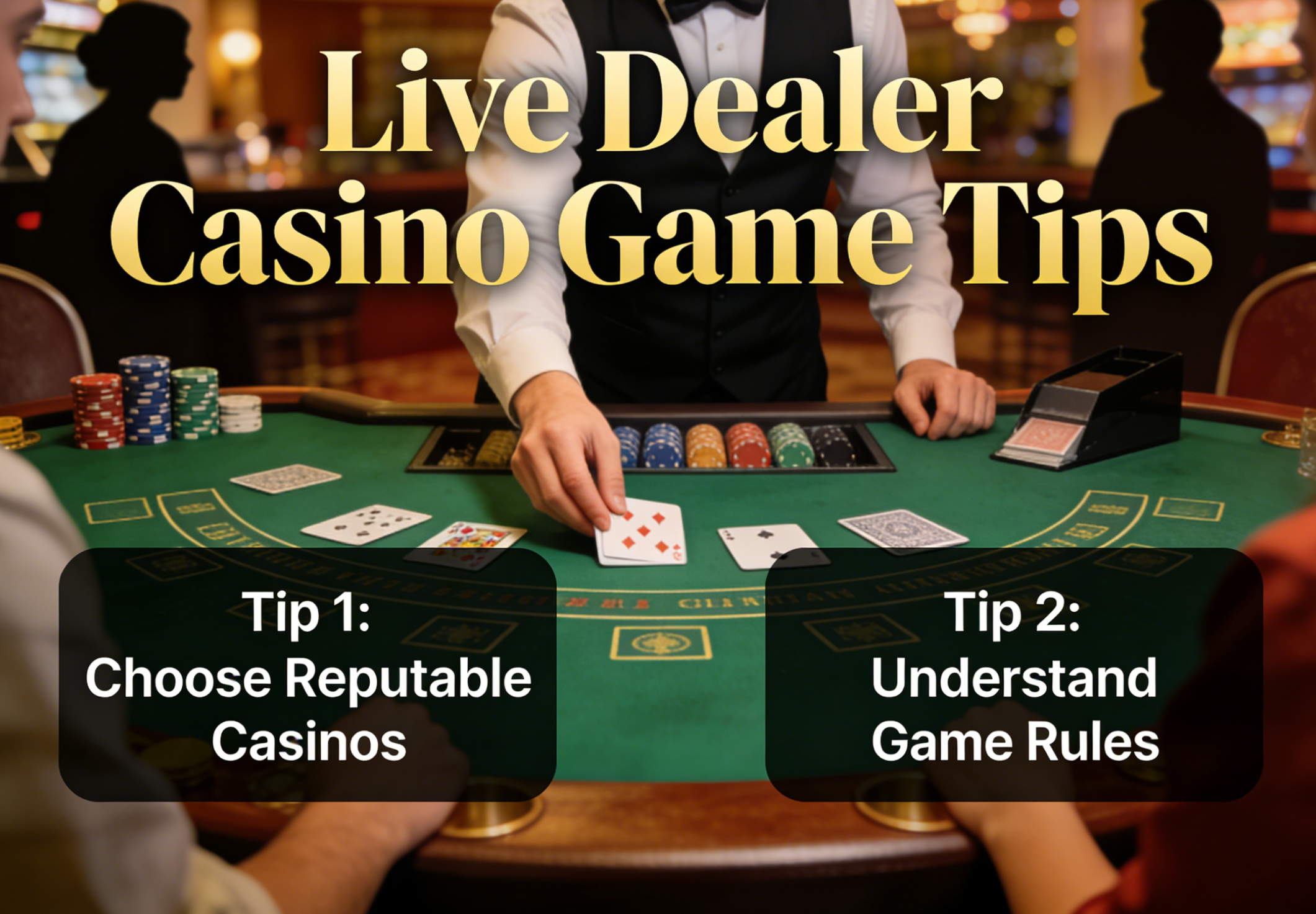

Every time you sit down at a poker table, spin a slot reel, or place a chip on the roulette felt, you are engaging in a complex mental process. While luck plays an undeniable role in gambling, the choices you make—and how you arrive at them—often determine the difference between a fleeting thrill and a sustained, enjoyable experience. Understanding the mechanics of your own mind is just as important as understanding the rules of the game.
This guide explores the intricate layers of psychology, mathematics, and discipline that shape our gambling habits. We will break down how cognitive biases affect your judgment, why probability is often counter-intuitive, and how you can sharpen your mental game to make smarter plays.
The Cognitive Engine Behind Every Bet
Gambling isn’t just about money; it’s about the brain’s reaction to uncertainty and reward. When we face a choice with an unpredictable outcome, our brains light up. Dopamine, the “feel-good” neurotransmitter, floods our system not just when we win, but even when we anticipate a win. This biological reaction is the engine that drives us to keep playing, but it can also cloud our judgment.
Effective decision making in casino games requires you to recognize when your brain is playing tricks on you. The excitement of a “near miss”—where the slot reel stops just one symbol away from a jackpot—triggers almost the same reward response as an actual win. This can lead players to believe they are “due” for a win or that their luck is about to change, a fallacy that often leads to chasing losses.
To combat this, successful players treat gambling decisions like business transactions. They remove emotion from the equation as much as possible. Instead of playing on a hunch or a feeling, they rely on odds, statistics, and predefined limits. This shift from emotional play to analytical play is the first step toward mastering your game.
Understanding Risk Perception
Humans are notoriously bad at assessing risk. We tend to overvalue small probabilities (like hitting a massive jackpot) and undervalue high probabilities (like the house edge slowly eating away a bankroll). This is known as “probability neglect.” We focus on the magnitude of the potential outcome rather than the likelihood of it happening.
When you are playing blackjack, for instance, the fear of busting might prevent you from hitting on a 16 against a dealer’s 10. However, the math says hitting is the correct play. Your gut tells you to play it safe, but the statistics tell you to take the risk. Overcoming this instinct is a critical component of decision making in casino games.
For players looking to refine their understanding of these dynamics, resources like https://ah88a.com can provide a platform to observe game mechanics in action without immediate high stakes, allowing you to practice emotional discipline.
The Role of Strategy in Game Selection
Not all casino games are created equal. One of the most significant decisions you make happens before you even place a bet: choosing which game to play. This choice dictates the level of control you have over the outcome.
Games of Chance vs. Games of Skill
Casino games generally fall into two categories: pure chance and mixed skill/chance.
- Pure Chance: Slots, Roulette, Baccarat, Keno. In these games, no amount of strategy can alter the house edge. Your decisions are limited to how much to bet and which volatility level you prefer.
- Skill/Chance Mix: Blackjack, Poker, Video Poker, Sports Betting. In these games, your decisions directly impact the return to player (RTP). A skilled blackjack player can reduce the house edge to under 0.5%, while an unskilled player might face a house edge of 2-3%.
If your goal is entertainment and relaxation, games of chance are excellent. But if you want your decision making in casino games to have a tangible impact on your wallet, you should gravitate toward skill-based games. Here, learning basic strategy charts or pot odds translates directly into better results.
Volatility and Your Bankroll
Another crucial factor is volatility (or variance). High volatility games (like progressive slots) pay out infrequently but offer massive wins. Low volatility games (like baccarat or even-money roulette bets) pay out smaller amounts more frequently.
Your choice here should depend on your bankroll and your temperament. Can you withstand a long losing streak while waiting for a big win? If not, high volatility games might lead to early frustration and poor decisions. Matching the game’s volatility to your risk tolerance is a foundational element of smart gambling.
The Mathematics of Choice: Probability and Expected Value
You don’t need a PhD in mathematics to be a smart gambler, but you do need a grasp of Expected Value (EV). EV is a calculation that determines the average amount of money you can expect to win or lose per bet over the long run.
Calculating Expected Value
The formula is simple:
(Probability of Winning × Amount Won) – (Probability of Losing × Amount Lost)
If the result is positive (+EV), the bet is profitable in the long run. If it is negative (-EV), the house will eventually win.
Almost every bet in a casino is -EV for the player; that is how casinos stay in business. However, the degree of negativity varies. A bet in Keno might have a massive negative EV, while a pass line bet in Craps has a very small negative EV.
Smart decision making in casino games involves constantly seeking out the bets with the highest EV (or the lowest negative EV). In poker, this is the entire basis of the game. You fold when the EV is negative and raise when it is positive. In casino table games, it means avoiding “sucker bets”—like the Tie bet in Baccarat or the Insurance bet in Blackjack—which carry significantly worse odds than the main game.
The Gambler’s Fallacy
One of the most dangerous mathematical misunderstandings is the Gambler’s Fallacy. This is the belief that if a specific event occurs more frequently than normal during a period, it will happen less frequently in the future (or vice versa).
If a roulette wheel hits Red ten times in a row, many players will bet heavily on Black, believing it is “due.” In reality, the wheel has no memory. The odds of the next spin are exactly the same as the previous one: roughly 48.6% (on a European wheel). Basing your wagers on past results in a game of independent trials is a recipe for disaster.
Bankroll Management: The Ultimate Decision
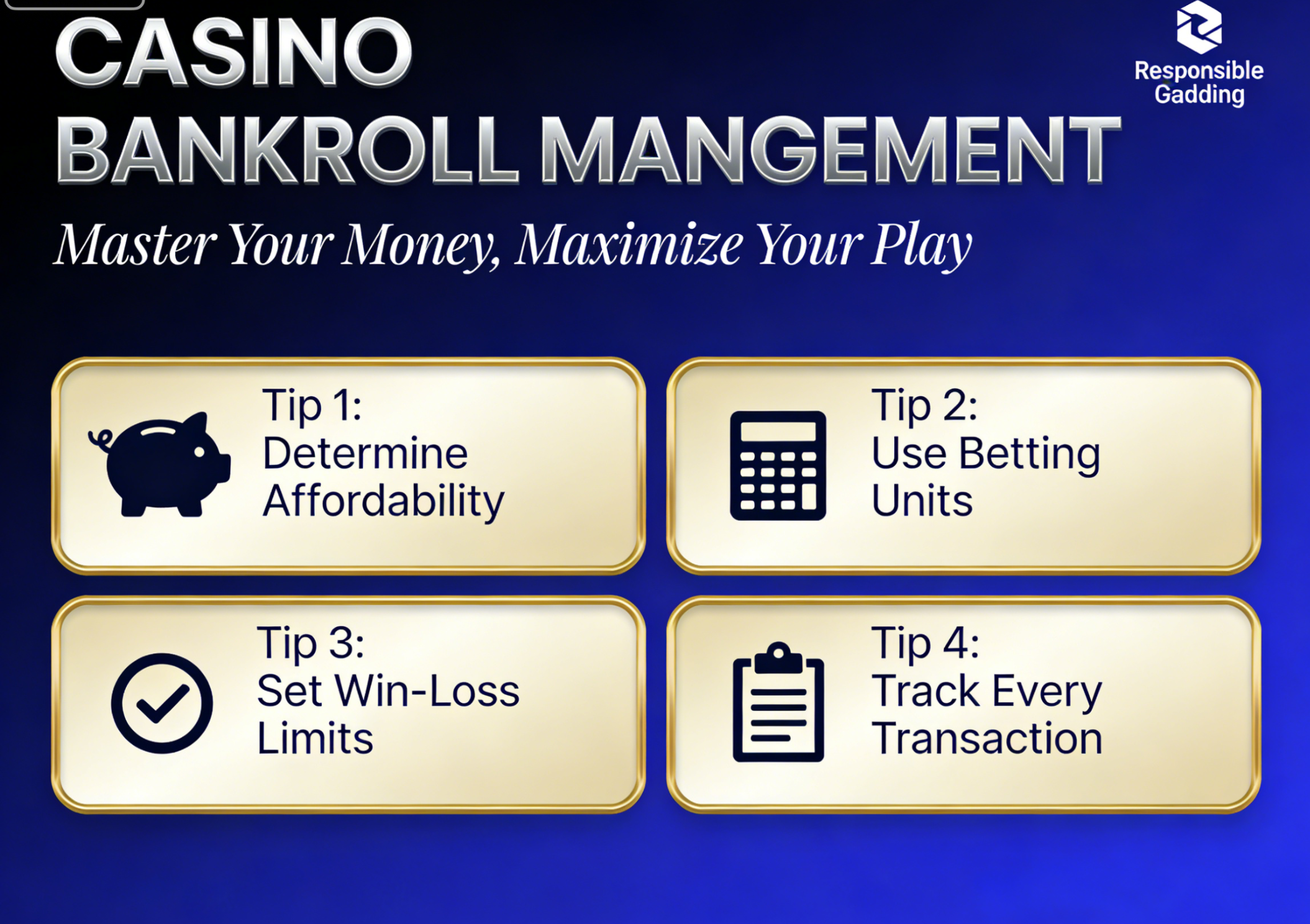
Perhaps the most critical series of choices you will make involves how you handle your money. You can play perfect blackjack strategy, but if you bet 50% of your bankroll on a single hand, you are destined to go broke eventually due to variance.
Setting Limits
Before you log in or walk into a casino, you must set strict limits.
- Loss Limit: The amount you are willing to lose in a session. Once this is gone, you stop. Period.
- Win Limit: A target profit amount. It sounds counter-intuitive to stop winning, but greed often leads players to give back their profits.
- Time Limit: Fatigue leads to poor decisions. Set a timer.
Platforms like https://ah88a.com often include tools to help you set these boundaries, ensuring that your gaming remains a fun pastime rather than a financial stressor. Utilizing these tools is a hallmark of a responsible player.
The Kelly Criterion
For advanced players, specifically in sports betting or advantage blackjack, the Kelly Criterion is a formula used to determine the optimal size of a series of bets. It balances the potential for growth against the risk of ruin.
Essentially, it suggests betting more when your edge is higher and betting less (or nothing) when you have no edge. While the full mathematical formula can be complex, the principle is simple: never bet more than a small percentage of your total bankroll on a single outcome, no matter how confident you are.
Psychological Traps and How to Avoid Them
Beyond the Gambler’s Fallacy, several other cognitive biases can sabotage your play.
Confirmation Bias
We tend to seek out information that confirms our pre-existing beliefs and ignore information that contradicts them. If you believe you have a “lucky system” for slots, you will vividly remember the one time it worked and conveniently forget the twenty times it failed.
To counter this, keep a gambling diary. Record every session, every win, and every loss. Hard data is the antidote to confirmation bias. When you see the numbers in black and white, it becomes much harder to lie to yourself about the effectiveness of a “system.”
The Sunk Cost Fallacy
This occurs when you continue a behavior because of previously invested resources (time, money, or effort). In gambling, this manifests as “chasing losses.” You feel that because you have already lost $500, you have to keep playing to win it back, often leading to losing $1000.
The money you have lost is gone. It belongs to the casino now. Your decisions going forward should be independent of that loss. Ask yourself: “If I just arrived right now with my current bankroll, would I make this bet?” If the answer is no, walk away.
Tilt
“Tilt” is a poker term for a state of mental or emotional confusion or frustration in which a player adopts a less than optimal strategy. It usually follows a bad beat or a losing streak. When you are on tilt, you play aggressively and carelessly to relieve the emotional tension.
Recognizing tilt is vital. Physical signs include a faster heart rate, feeling hot, or clenching your jaw. Mental signs include cursing your luck or feeling victimized. The moment you detect tilt, the only correct move is to stop playing immediately.
Strategic Decision Making in Specific Games
Let’s look at how these principles apply to specific popular games.
Blackjack: The Chart is Your Friend
In Blackjack, every possible combination of your hand and the dealer’s up-card has a statistically “correct” move. This is known as Basic Strategy.
Memorizing Basic Strategy reduces the house edge significantly. Decisions here should be automatic. You shouldn’t be “feeling” a hit; you should hit because the chart says so.
- Hard Decisions: Hitting a hard 16 against a 7 feels wrong because you will likely bust. But standing is statistically worse.
- Splitting: Never split 10s (you already have a winning hand of 20). Always split Aces and 8s.
Poker: Reading People and Odds
Poker is unique because you are playing against other people, not the house. Here, decision making in casino games expands to include psychology and deception.
- Pot Odds: Is the size of the pot worth the cost of the call? If the pot offers you 5:1 odds on your money, but your chance of making the winning hand is only 10:1, you fold.
- Position: acting last gives you more information. You can play a wider range of hands from a late position than from an early one.
- Bluffing: This isn’t just lying; it’s representing a story. Does your bet size make sense if you actually held the cards you are pretending to have?
Slots: Managing Variance
Since slots are random, your decisions are about bankroll preservation and volatility selection.
- Max Bet: On many progressive machines, you only qualify for the jackpot if you bet the maximum coins. If your bankroll can’t support max bets, switch to a lower denomination machine where it can.
- RTP Check: Always check the “Info” screen. Choose machines with an RTP of 96% or higher whenever possible.
The Impact of Environment (Online vs. Offline)
Where you play impacts how you think.
The Physical Casino
Land-based casinos are designed to disorient you. There are no clocks and no windows. The lights and sounds are calibrated to induce excitement. Alcohol is often free, which lowers inhibitions and impairs judgment.
In this environment, you must work harder to maintain discipline. Step outside frequently to reset your senses. Avoid drinking alcohol while playing serious stakes.
The Online Experience
Online gambling offers convenience but presents different dangers. The speed of play is much faster. In blackjack, you might play 200 hands an hour online versus 60 in a physical casino. This exposes your bankroll to the house edge much faster.
However, online play also allows for better tool usage. You can keep strategy charts open in another window. You can track your spend in real-time. Sites like https://ah88a.com offer a user-friendly interface that can help players navigate these waters safely, providing a controlled environment to test strategies before visiting a physical venue or increasing stakes.
Developing a Professional Mindset
Professional gamblers don’t rely on luck; they rely on discipline. To improve your decision-making, adopt these habits:
- Continuous Learning: The best players are students of the game. They read books, watch tutorials, and analyze their hand histories.
- Emotional Detachment: Treat chips as units of score, not money for rent or groceries. If the money means too much to you, you cannot make rational decisions.
- Patience: In games like poker, you might fold for an hour straight. Amateurs get bored and play bad hands. Professionals wait for the right opportunity.
The “Stop-Loss” Strategy
A practical tool for decision-making is the “stop-loss” rule. Decide that if you lose X amount, you will quit for the day. This prevents a bad session from becoming a disastrous one. Conversely, a “trailing stop-win” can lock in profits. If you are up $500, tell yourself you will quit if you drop back down to being up only $300. This guarantees you walk away a winner.
Conclusion: Taking Control
Ultimately, gambling is a form of entertainment where you pay for the thrill of uncertainty. However, by applying logic, mathematics, and psychological self-awareness, you can reduce the cost of that entertainment and occasionally turn the tables in your favor.
The quality of your experience depends on the quality of your choices. From selecting the right game and managing your bankroll to recognizing your own cognitive biases, every step matters. Stop viewing the casino as a magical place where destiny hands out fortunes, and start viewing it as a puzzle to be solved.
Take the time to learn the odds. Respect the math. Master your emotions. When you do this, you move from being a gambler to being a player. The dice may be random, but your reaction to them is entirely up to you. Whether you are playing at a local establishment or exploring options online at [https://ah88a.com]