
Walking into a casino or logging into an online platform brings a rush of excitement. The lights, the sounds, and the potential for a big win create an atmosphere unlike any other. But without a solid plan, that excitement can quickly turn into regret. The key to enjoying casino games long-term and protecting yourself from significant losses is effective bankroll management. This guide provides comprehensive casino bankroll management tips to help you play smarter, stay in control, and enhance your overall gaming experience.
Managing your money is not about restricting your fun; it’s about maximizing it. It is the single most important skill a player can develop, separating successful players from those who consistently walk away disappointed. By learning to manage your casino funds, you give yourself the best possible chance to enjoy the highs while minimizing the impact of the lows.
What is a Casino Bankroll and Why Does it Matter?
Before diving into strategies, let’s define what a bankroll is. A casino bankroll is a specific amount of money you have set aside purely for gambling. This money should be separate from your essential living expenses, such as rent, bills, and savings. It is discretionary income—money you can afford to lose without it affecting your financial stability.
Why is this separation so critical?
- Emotional Control: Gambling with money you need for essentials creates immense pressure. This stress leads to poor, emotionally driven decisions, such as chasing losses or betting more than you should.
- Financial Safety: A dedicated bankroll acts as a firewall, protecting your personal finances. If you have a bad run, the losses are contained within your gambling fund.
- Longevity in Gaming: Proper bankroll management allows you to withstand the natural swings of luck in casino games. It ensures you have enough funds to play through losing streaks and still be in the game when your luck turns.
- Informed Decision-Making: When you know exactly how much you have to play with, you can make logical choices about which games to play, what stakes to use, and when to stop.
Think of your bankroll as your business capital. No successful business operates without a budget and financial plan. Your approach to casino gaming should be no different.
Setting Up Your Casino Bankroll: The First Step to Success
Creating your bankroll is the foundational step. This process requires honesty and discipline.
1. Determine Your Total Gambling Budget
First, look at your overall financial situation. After all your monthly expenses, savings contributions, and debt payments are accounted for, how much disposable income is left? From this amount, decide on a sum you are comfortable dedicating to entertainment, including gambling. This can be a weekly, monthly, or even yearly figure.
- Be Realistic: Do not allocate funds you might need for unexpected expenses. It’s better to start with a smaller, truly disposable bankroll than to overcommit and face financial stress later.
- Separate the Funds: Physically or digitally separate this money. You could withdraw it as cash, transfer it to a separate bank account, or deposit it into a dedicated e-wallet used only for your gaming activities. This makes it easier to track and harder to dip into other funds.
2. Divide Your Bankroll into Session Stakes
Once you have your total bankroll, break it down into smaller, manageable amounts for each gambling session. For example, if you have a monthly bankroll of $500 and plan to play four times, you could allocate $125 per session.
This strategy prevents you from losing your entire bankroll in one unlucky session. If you hit your session limit, you stop playing for the day. You know you have funds reserved for your next planned session, which removes the temptation to chase losses by depositing more money.
3. Set Your Betting Unit Size
With your session bankroll defined, the next step is to determine the size of your individual bets. A common and safe rule of thumb is to risk only 1% to 2% of your session bankroll on any single wager.
- Example: If your session bankroll is $125, your standard bet size should be between $1.25 and $2.50.
Why is this important? This small bet size protects you from variance. Casino games have a built-in house edge, but they are also subject to short-term luck. A string of losses is inevitable. If your bets are too large relative to your bankroll, a few unlucky hands or spins can wipe you out quickly. Small, consistent bet sizes allow you to ride out these losing streaks and give your strategy time to work.
Essential Bankroll Management Strategies
With your bankroll structured, it’s time to apply strategies during your play sessions. These techniques will help you stay disciplined and make smart in-the-moment decisions.
Setting Win Goals and Loss Limits
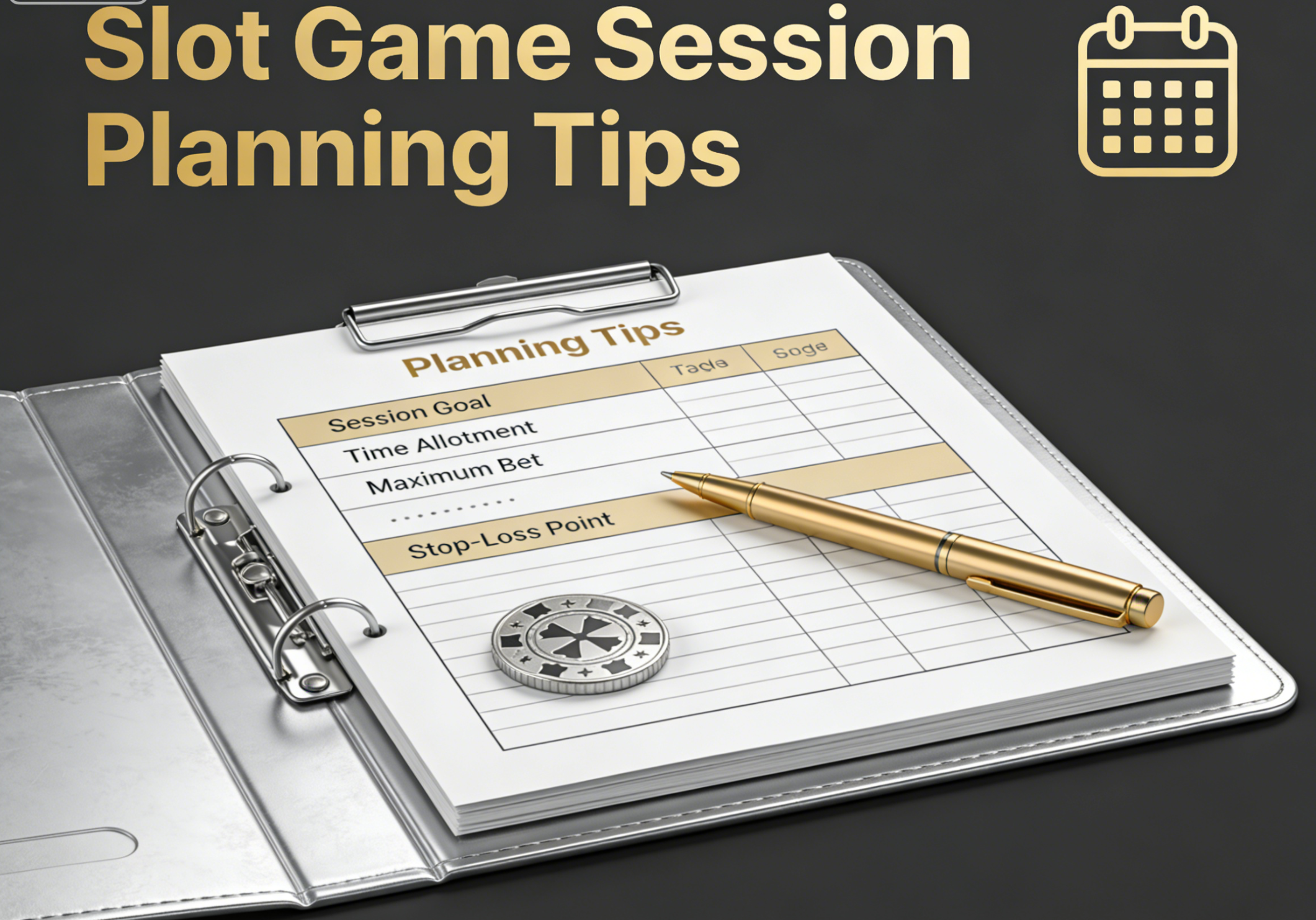
This is the most crucial rule of disciplined gambling. Before you place your first bet, you must decide on two numbers: a win goal and a loss limit.
- Loss Limit: This is the maximum amount of money you are willing to lose in a single session. For most players, this is their entire session bankroll. If you brought $125 to play, your loss limit is $125. Once you lose that amount, your session is over. No exceptions.
- Win Goal: This is a realistic profit target for your session. A common goal is to aim for a 20% to 50% increase on your session stake. If you start with $125, a win goal might be $50. Once your total funds reach $175 ($125 + $50), you cash out and end the session.
Setting a win goal is just as important as setting a loss limit. Greed is a major pitfall for gamblers. Players who get ahead often keep playing, hoping for an even bigger win, only to give all their profits back to the house—and then some. Securing a win, no matter how small, is a victory. It builds discipline and ensures you walk away a winner.
Using the “Stop-Loss” Strategy
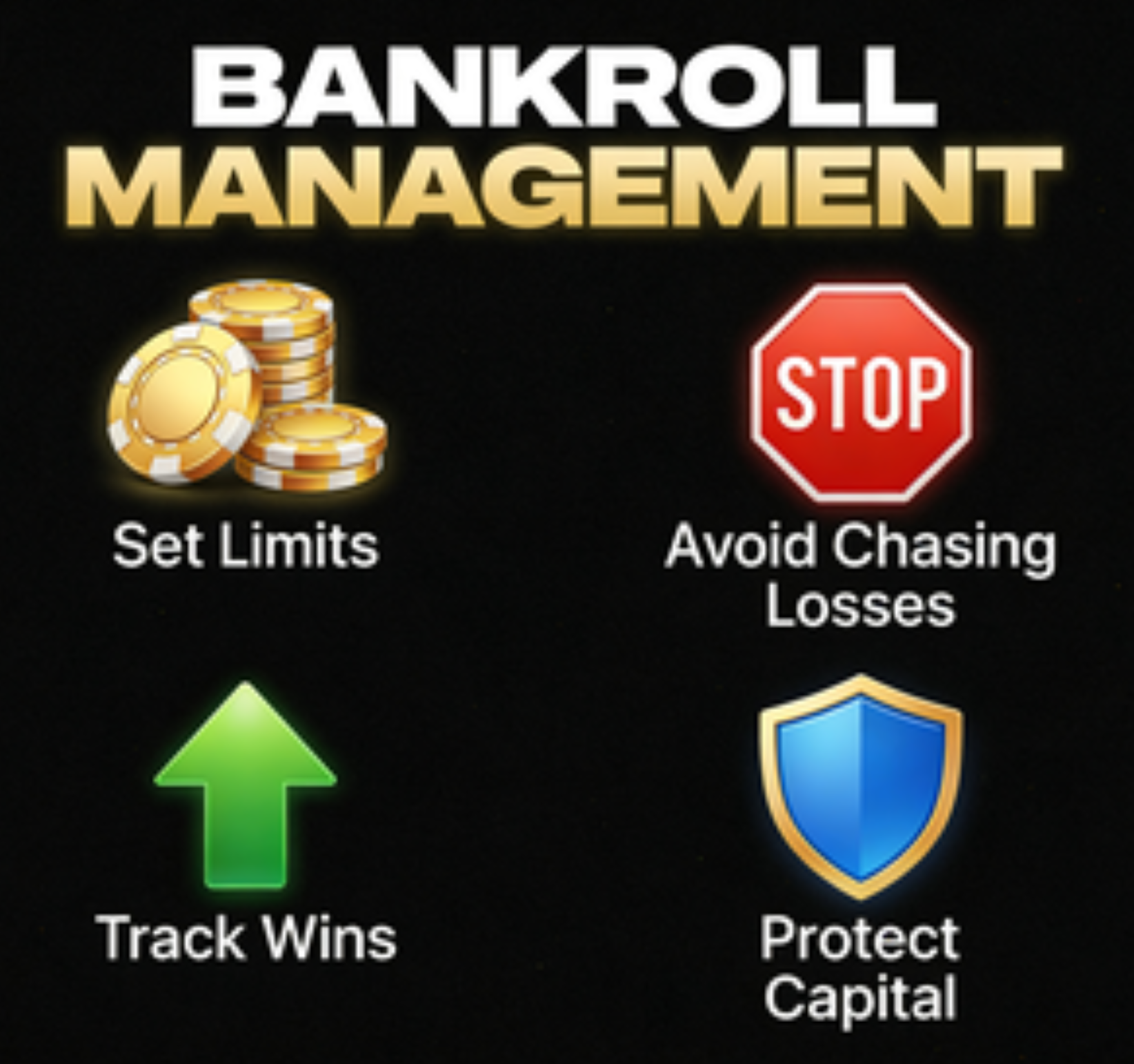
The stop-loss limit is your unbreakable rule. It is non-negotiable. If you hit your loss limit, you must have the discipline to walk away. This prevents a bad session from turning into a catastrophic one. Chasing losses is the single fastest way to deplete your entire bankroll and get into financial trouble.
To make this easier:
- Leave ATM and Credit Cards at Home: If playing at a land-based casino, only bring the cash for your session.
- Use Online Casino Tools: Reputable online platforms like ah88a.com offer responsible gaming tools. You can set daily, weekly, or monthly deposit limits, session time limits, and loss limits directly in your account settings. Use these features to enforce your own rules.
Understanding Game Volatility and RTP
Not all casino games are created equal. They differ in volatility (or variance) and Return to Player (RTP). Understanding these concepts is vital for choosing games that fit your bankroll and playing style.
- Return to Player (RTP): This is a percentage that represents the theoretical amount a game will pay back to players over a large number of plays. For example, a slot with a 96% RTP will, on average, return $96 for every $100 wagered. A higher RTP is always better for the player.
- Volatility (Variance): This describes the risk level of a game.
- Low Volatility Games: These games pay out small, frequent wins. They are great for players with smaller bankrolls because they help maintain your funds for a longer play session. Examples include video poker (like Jacks or Better), baccarat, and some low-variance slots.
- High Volatility Games: These games have fewer, but much larger, potential payouts. Progressive jackpot slots are a classic example. While the allure of a life-changing win is strong, these games can drain a bankroll quickly. They are better suited for players with a large bankroll who can withstand long dry spells.
Match the game’s volatility to your bankroll size and goals. If you want a long, entertaining session with minimal risk, stick to low-volatility games. If you are chasing a massive jackpot and have the funds to support it, high-volatility games might be your preference.
Adjusting Your Stakes
Your betting unit should not be static. Smart bankroll management involves adjusting your stakes based on your performance.
- When You’re Winning: If you are on a winning streak and your session bankroll has grown, you can consider slightly increasing your bet size. For example, if you started with $100 and are now at $150, you could recalculate your 1-2% bet based on the new total. This allows you to capitalize on a hot streak.
- When You’re Losing: Conversely, if you are on a losing streak, you should consider decreasing your bet size. This conservation strategy allows you to stretch your remaining bankroll further, giving you more opportunities for your luck to turn around. It’s a defensive move that can save your session.
Never double your bets to recover losses (e.g., the Martingale system). While it seems logical in theory, this strategy is extremely risky and can lead to devastating losses. A short losing streak can force you to make enormous bets that quickly exceed your bankroll or the table limits.
Common Bankroll Management Mistakes to Avoid
Even players who know the rules can fall into common traps. Being aware of these mistakes is the first step to avoiding them.
1. The Absence of a Bankroll
The most fundamental mistake is not having a dedicated bankroll at all. Gambling with money from your checking account blurs the line between play money and essential funds. It makes tracking wins and losses impossible and encourages emotionally-driven financial decisions.
2. Chasing Losses
This is the cardinal sin of gambling. After a few losses, it’s natural to feel the urge to win your money back by increasing your bets. This almost never works. It typically leads to bigger, faster losses. Accept that losses are part of the game. Stick to your loss limit. If you hit it, the game is over for the day. There will always be another opportunity to play.
3. Playing Under the Influence
Alcohol and gambling are a dangerous mix. Intoxication impairs judgment, lowers inhibitions, and can lead you to abandon your bankroll strategy entirely. You may start making larger, riskier bets and ignore your pre-set limits. If you want to drink, do so moderately and away from the gaming tables. Keep a clear head when your money is on the line.
4. Getting Carried Away by Emotions (Tilting)
“Tilting” is a term borrowed from poker that describes a state of mental or emotional confusion where a player adopts a less-than-optimal strategy, usually resulting in over-aggression. A bad beat, a dealer’s lucky streak, or frustration can cause you to tilt. You start making reckless bets out of anger, not logic.
If you feel yourself getting frustrated or angry, step away. Take a break, walk around, get some fresh air, and clear your head. Do not resume playing until you are calm and can stick to your plan.
5. Misunderstanding Bonus Terms and Conditions
Online casinos offer attractive bonuses, but they always come with terms and conditions, most notably wagering requirements. A wagering requirement is the amount of money you must bet before you can withdraw bonus-related winnings.
For example, a $100 bonus with a 30x wagering requirement means you must place $3,000 in bets before cashing out. Some players don’t read these terms, get a big win with bonus money, and are then frustrated when they can’t withdraw it. Always read the fine print before accepting a bonus. Understand the game contributions as well—bets on slots might contribute 100% to the requirement, while bets on blackjack might only contribute 10%.
Advanced Bankroll Management Tips
Once you’ve mastered the basics, you can incorporate more advanced techniques to refine your approach.
The Kelly Criterion
The Kelly Criterion is a mathematical formula used to determine the optimal size of a series of bets to maximize long-term growth. It’s more complex and typically used by professional sports bettors and investors, but the principle is valuable.
The formula is: f* = (bp - q) / b
f*is the fraction of your bankroll to wager.bis the decimal odds – 1.pis the probability of winning.qis the probability of losing (1 – p).
For casino games where the house has an edge, the standard Kelly Criterion would suggest not betting at all. However, a modified “fractional Kelly” approach can be used to manage risk. The core takeaway is to bet more when you have a perceived advantage and less when you don’t. While difficult to apply perfectly in games of pure chance, it reinforces the principle of proportional betting.
Record Keeping
Treat your gambling like a small business by keeping detailed records. Use a notebook or a spreadsheet to track:
- Date of each session
- Starting bankroll for the session
- Ending bankroll for the session
- Net win or loss
- Games played
- Time spent playing
- Notes on your performance (e.g., “Felt tilted,” “Stuck to my plan”)
Reviewing these records will reveal patterns in your play. You might discover that you consistently lose money on a specific game or that your worst losses happen after playing for more than two hours. This data is invaluable for refining your strategy, identifying weaknesses, and making more profitable decisions in the future.
Bankroll Management for Different Game Types
Your strategy may need to be adjusted slightly depending on the game you’re playing.
- Slots: Given their fast pace, it’s easy to burn through a bankroll. Choose a machine with a bet size that allows for at least 200-250 spins with your session bankroll. This gives you a fair chance to hit a bonus round or a significant win.
- Blackjack: As a game of skill, your strategy matters. A smaller bet size (1% of your bankroll) is wise. Because of doubling down and splitting pairs, you may need to commit more money to a single hand, so having a conservative base bet is crucial.
- Roulette: If making outside bets (Red/Black, Odd/Even), which pay 1:1, you can use a slightly larger bet size (2-3%). If you prefer inside bets (single numbers) with long odds, you should use a much smaller bet size, as these are high-variance wagers.
- Poker: Bankroll management in poker is a deep topic. A general rule for cash games is to have at least 20-30 buy-ins for the stake level you are playing. For tournaments, a bankroll of 50-100 buy-ins is often recommended to handle the high variance.
The Psychology of Bankroll Management
Ultimately, successful bankroll management is a mental game. It’s about discipline, emotional control, and perspective.
- Accept the House Edge: Understand and accept that in the long run, the casino has a mathematical advantage in nearly every game. Your goal is not to “beat” the casino forever but to manage your funds in a way that allows you to capitalize on short-term luck and walk away with profits when you’re ahead.
- View Gambling as Entertainment: The most sustainable mindset is to view gambling as a form of entertainment with a cost. Your losses are the price of admission for the thrill and fun you experience. If you win, that’s a fantastic bonus. This perspective removes the pressure to win and helps you stick to your budget.
- Know When to Quit: The most powerful tool a player has is the ability to walk away. This applies whether you’re winning, losing, or simply not enjoying yourself anymore. Don’t let the casino environment or the desire for “one more spin” dictate your actions. You are in control.
By implementing these casino bankroll management tips, you transform gambling from a game of pure chance into a strategic activity. You protect your finances, reduce stress, and significantly increase your chances of walking away a winner. Remember that the goal is to play smart so you can continue to enjoy the games you love for years to come. Start with a clear plan, stick to your rules, and always play responsibly.